Zero-Turn Won't Steer, Start or Cut Right? Diagnosis by Symptom
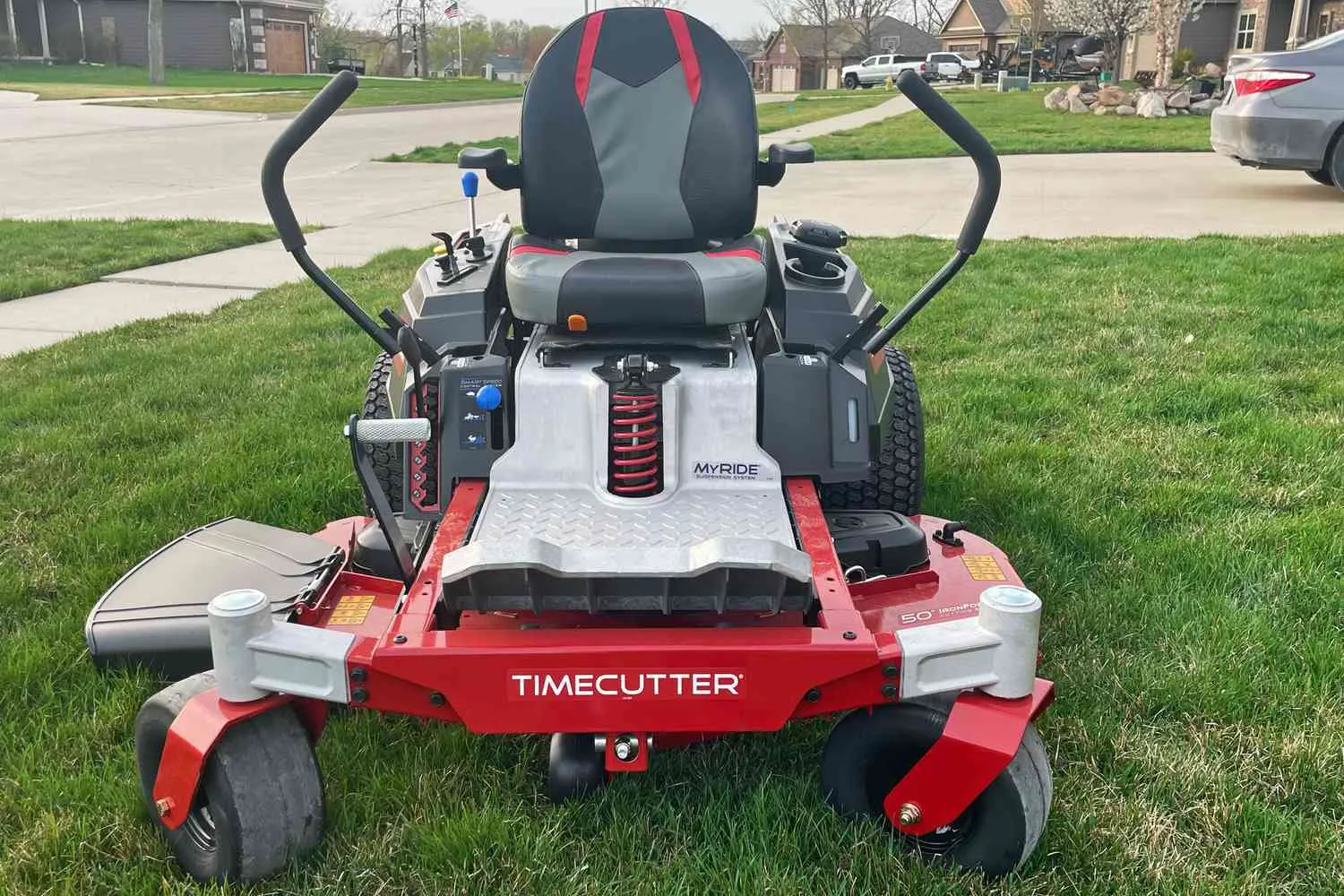
Zero turn mowers offer unmatched maneuverability and speed. But their hydraulic systems and dual controls add complexity. When problems occur, this guide helps diagnose and fix common issues across all zero turn brands.
How the Mechanics Work
Drive System
Each wheel has its own hydraulic pump and motor. Moving the lap bars controls:
- Forward/reverse speed
- Direction (by varying wheel speeds)
- Zero-radius turns (one wheel forward, one reverse)
Components
- Hydro pumps - Convert engine power to hydraulic pressure
- Wheel motors - Convert hydraulic pressure to wheel rotation
- Hydraulic fluid - Transmits power through system
- Cooling fan - Keeps hydraulic fluid cool
- Filters - Remove contaminants
[NEED REAL IMAGE: Zero turn hydraulic system diagram]
Common Steering Issues
Zero Turn One Side Weak
One direction pulls stronger than the other.
Causes:
- Low hydraulic fluid
- Air in system
- Weak pump on affected side
- Wheel motor failing
- Drive belt slipping
Diagnosis:
- Check fluid level first
- Inspect belt tension
- Compare pump pressure (needs gauge)
- Check wheel motor for leaks
Won’t Move At All
Mower runs but won’t drive.
Check:
- Bypass valves closed (for normal operation)
- Drive belt intact and tensioned
- Brake fully released
- Parking brake disengaged
- Hydraulic fluid level
Jerky Movement
Controls feel rough or inconsistent.
Causes:
- Air in hydraulic lines
- Low fluid
- Contaminated fluid
- Control linkage binding
- Pump wear
Tracks Crooked
Mower drifts to one side when going straight.
Causes:
- Tracking adjustment needed
- Tire pressure unequal
- One side weaker than other
- Linkage adjustment
Tracking adjustment: Most zero turns have adjustment bolts at the lap bar mechanism. Consult your manual for specific procedure.
[NEED REAL IMAGE: Zero turn lap bar adjustment]
Hydraulic Problems
Low Fluid Level
Symptoms:
- Weak drive
- Overheating
- Noisy pumps
- Erratic steering
Check and fill:
- Park on level surface
- Check reservoir level
- Use correct fluid (usually 20W-50 or manufacturer spec)
- Don’t overfill
Air in System
Symptoms:
- Spongy controls
- Jerky movement
- Noise from pumps
- Inconsistent response
Bleeding procedure:
- Raise rear wheels off ground
- Start engine
- Move lap bars slowly through full range
- Repeat 10-15 times
- Check fluid level
- Lower and test
Overheating
Causes:
- Low fluid
- Clogged cooling fins
- Heavy use in hot weather
- Wrong fluid type
- Internal wear
Prevention:
- Check fluid regularly
- Clean cooling fins
- Don’t overwork system
- Use correct fluid
Hydraulic Leaks
Common locations:
- Hose connections
- Pump seals
- Wheel motor seals
- Filter housing
- Reservoir
Fix:
- Tighten connections
- Replace leaking hoses
- Seal replacement (pump/motor) is more involved
[NEED REAL IMAGE: Zero turn hydraulic leak inspection]
Engine Troubles
Most zero turns use Kohler, Kawasaki or Briggs V-twin engines.
Won’t Start
Check:
- Safety switches (seat, brake, PTO)
- Battery condition
- Fuel system
- Spark (both cylinders) — use a spark tester
Runs Rough
V-twin specific:
- May run on one cylinder
- Check both spark plugs
- Test both coils
- Verify both cylinders have compression
Overheating
Causes:
- Debris blocking cooling
- Low oil
- Heavy load
- Wrong oil viscosity
Oil Consumption
Some consumption normal on V-twins.
Excessive if:
- Over 1 oz per hour
- Blue smoke present
- Oil on engine exterior
See our guides:
Deck Issues
Uneven Cut
Check:
- Tire pressure (equal on all)
- Deck level adjustment
- Blade condition
- Spindle bearings
Deck leveling:
- Park on flat surface
- Measure blade height at all points
- Adjust deck hangers
- Recheck measurements
Blades Won’t Engage
PTO problems:
- Check PTO switch
- Verify clutch getting power
- Inspect belt condition
- Check safety switches
Electric PTO clutch:
- Should click when engaged
- No click = no power or bad clutch
- Test voltage at clutch connector
Scalping
Mower cuts too low in spots.
Causes:
- Deck set too low
- Anti-scalp wheels missing or wrong height
- Uneven terrain
- Deck not level
Deck Vibration
Causes:
- Bent blade
- Loose blade bolt
- Spindle bearing failure
- Belt worn or damaged
[NEED REAL IMAGE: Zero turn deck spindle]
Challenges with Different Mower Brands
Toro TimeCutter
- Kohler or Kawasaki engines
- Smart Speed control system
- Common: Steering tracking adjustment
Husqvarna Z200/Z400
- Kawasaki engines
- ClearCut deck
- Common: Belt routing complexity
John Deere Z300/Z500
- Kawasaki engines
- Accel Deep deck
- Common: PTO clutch issues
Cub Cadet Ultima
- Kohler engines
- Dual hydro-gear transmissions
- Common: Tracking adjustment
Bad Boy Mowers
- Various engine options
- Dual pump system
- Common: Heavy-duty but need maintenance
Maintenance Tips
Every 25 Hours
- Check hydraulic fluid
- Check tire pressure
- Clean deck
- Inspect belts
Every 50 Hours
- Change engine oil
- Service air filter
- Grease fittings
- Check blade condition
Every 100 Hours
- Change hydraulic filter
- Replace engine oil filter
- Replace air filter
- Sharpen/replace blades
Every 200 Hours
- Change hydraulic fluid
- Inspect hoses
- Check pump/motor for leaks
- Full inspection
Annually
- Complete tune-up
- Deck bearing inspection
- Belt replacement if worn
- Safety switch testing
When to Get Professional Help
DIY-Friendly
- Fluid checks and fills
- Belt replacement
- Blade service
- Basic adjustments
- Oil changes
Professional Service
- Hydraulic pump replacement
- Wheel motor rebuild
- Major hydraulic leaks
- Transmission service
- Complex electrical diagnosis
Related Guides
- John Deere Mower Problems
- Husqvarna Mower Problems
- Cub Cadet Mower Problems
- Kohler Engine Problems
- Kawasaki Engine Problems
Summary
Zero turn mowers are more complex than traditional tractors due to their hydraulic systems. Most problems relate to hydraulic fluid level, air in lines or belt issues. Regular maintenance prevents most failures. When hydraulic components fail internally, professional service is often the best option. Engine problems are similar to other riding mowers - maintain fuel and oil systems for reliable operation.