Mower Won't Start? Work Through This Checklist

A lawn mower that won’t start needs four things checked: fuel (is there fresh gas?), spark (remove and test the plug), air (clean or replace the filter) and compression (pull cord should have resistance). The most common fix is draining old fuel and adding fresh gas—fuel older than 30 days causes 70% of starting problems. A new spark plug costs $3-8, air filters run $5-15 and carburetor cleaning takes 30-60 minutes if old fuel gummed it up.
This guide walks through the most common causes and fixes, starting with the simplest solutions before moving to more involved repairs.
Quick Checks First
Before running diagnostics, verify the obvious:
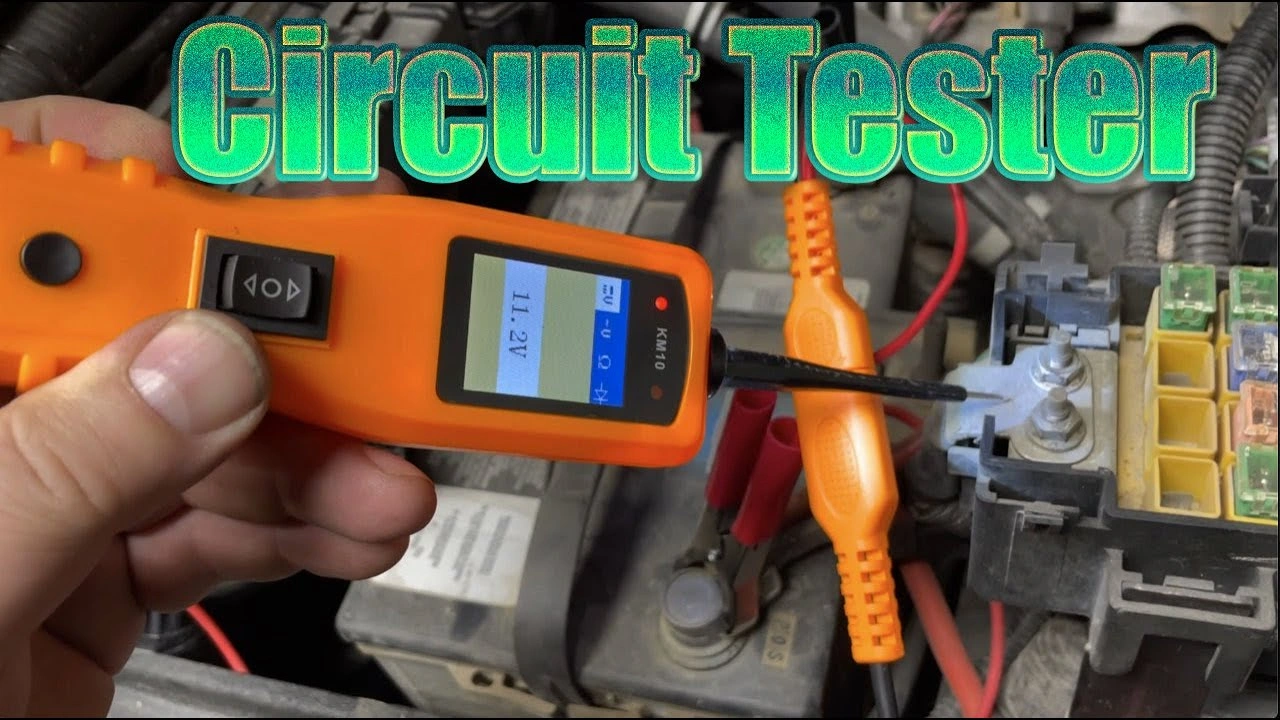 Start with simple checks before complex diagnostics
Safety First
- Work in ventilated area
- Disconnect spark plug wire before any repairs
- Keep away from open flames when working with fuel
- Wear safety glasses
Basic Checks
Fuel level: Is there actually gas in the tank? Check visually—fuel gauges on mowers are often unreliable or nonexistent. If you need to jump start the battery first, do that before fuel checks.
Fuel shutoff valve: Many mowers have a fuel shutoff. Ensure it’s in the “on” position.
Blade engagement: Some mowers won’t start with the blade engaged. Disengage the blade/PTO.
Safety switches: Riding mowers require the operator to be seated. Push mowers may have handle-mounted safety bars.
Oil level: Many engines have low-oil shutoffs. Check oil level and add if needed. See our lawn mower oil guide for the right viscosity.
Fuel Problems
Fuel issues cause the majority of no-start conditions, especially after storage.
Old Fuel
Gasoline degrades within 30 days, forming varnish that clogs small passages in the carburetor. Fuel older than 3 months is a prime suspect.
Symptoms:
- Mower ran fine last season but won’t start now
- Engine cranks but doesn’t fire
- May briefly sputter then die
Solution:
- Drain old fuel from tank
- Dispose of old fuel properly
- Add fresh fuel with fuel stabilizer
- If still won’t start, carburetor cleaning may be needed
Clogged Fuel Filter
Inline fuel filters trap debris but eventually clog.
Symptoms:
- Engine starts then dies
- Runs briefly but starves for fuel
- Fuel visible in tank but not reaching carburetor
Solution: Replace fuel filter. They’re inexpensive and easy to change—squeeze the hose clamps, remove the old filter and install new filter with correct flow direction (arrow points toward engine).
Carburetor Problems
The carburetor mixes fuel and air in precise proportions. Varnish deposits from old fuel clog the tiny passages.
Symptoms:
- No fuel reaching engine despite good supply
- Engine won’t start or runs poorly
- Fuel leaking from carburetor
Solutions:
- Mild cases: Carburetor cleaner spray through intake - see our carburetor cleaning guide
- Moderate cases: Remove and clean carburetor, clearing all jets and passages. Briggs carburetors are the most common
- Severe cases: Carburetor rebuild kit or replacement. Check our Tecumseh carburetor repair or Honda carburetor repair guides

Fuel Line Problems
Cracked, kinked, or collapsed fuel lines prevent fuel delivery.
Check: Inspect lines for cracks, especially where they connect. Squeeze lines to check for brittleness. Look for kinks.
Solution: Replace damaged fuel lines with correct diameter line. Our fuel line replacement guide covers the process step by step.
Spark Problems
Without spark, fuel won’t ignite. Ignition problems are the second most common no-start cause.
Bad Spark Plug
Spark plugs wear out, foul, or crack.
Testing:
- Remove spark plug
- Reconnect plug wire
- Ground plug body against engine block
- Pull starter cord and observe
- Look for strong blue spark
Spark conditions:
- Strong blue spark: Plug is good
- Weak yellow/orange spark: Plug is failing
- No spark: Plug is bad OR ignition system problem
Solution: Replace spark plugs every season or 100 hours. They’re cheap insurance.
Faulty Ignition Coil
The ignition coil generates high voltage for the spark plug. They fail with age and heat exposure.
Symptoms:
- No spark at plug
- New plug still produces no spark
- Engine stops suddenly and won’t restart (coil failed when hot)
Testing: Requires a multimeter to check resistance. Compare readings to manufacturer specifications.
Solution: Replace ignition coil. Usually 2-4 bolts and 1-2 wire connections.
Kill Switch Problems
The kill switch grounds the ignition to stop the engine. Stuck or shorted switches prevent starting.
Testing: Disconnect kill switch wire from ignition. If engine starts, the switch or its wiring is faulty.
Solution: Repair or replace kill switch. Ensure wiring isn’t grounding against frame.
Flywheel Key Shear
The flywheel key aligns ignition timing. Hitting solid objects can shear this small key, throwing timing off enough to prevent starting.
Symptoms:
- Engine hit something hard, then wouldn’t start
- Spark timing appears off
- Key visibly damaged when flywheel removed
Solution: Replace flywheel key. Requires removing flywheel—special puller tool may be needed.
Air and Choke Problems
Engines need air mixed with fuel. Restricted airflow causes problems.
Dirty Air Filter
Clogged air filters restrict airflow, creating an over-rich mixture that won’t ignite.
Symptoms:
- Black smoke when running
- Engine runs rough
- Won’t start or hard to start
Solution: Replace paper filters. Wash and re-oil foam filters. Check filters monthly during heavy use.

Choke Problems
The choke enriches fuel mixture for cold starting. Stuck chokes cause problems.
Stuck closed: Engine floods (too much fuel) Stuck open: Engine won’t start cold (too lean)
Solution: Clean choke linkage. Lubricate pivot points. Verify choke butterfly moves freely.
Compression Problems
Compression problems are less common but serious when they occur.
Low Compression
Worn piston rings, damaged valves, or head gasket failure reduce compression below starting threshold.
Symptoms:
- Pull cord feels easier than normal
- Engine cranks fast but won’t fire
- Compression test shows low readings
Testing: A compression tester screws into the spark plug hole. Pull cord and read gauge. Most small engines need 60-90 PSI minimum to start.
Solutions:
- Valve adjustment (if adjustable)
- Valve or valve seat reconditioning
- Head gasket replacement
- Piston ring replacement (major repair)
Head Gasket Failure
The head gasket seals the combustion chamber. Failure allows compression loss.
Symptoms:
- Oil in places it shouldn’t be
- Compression test shows low readings
- Visible damage around head gasket area
Solution: Replace head gasket. Involves removing cylinder head, cleaning surfaces and proper torque sequence on reassembly.
Starter and Mechanical Problems
Sometimes the engine can’t turn over at all.
Recoil Starter Problems
The pull-start mechanism can jam, break, or lose tension.
Symptoms:
- Cord won’t pull
- Cord pulls but doesn’t engage
- Cord doesn’t rewind
Solutions:
- Free stuck mechanisms
- Replace broken spring or pawls
- Rewind or replace cord
Hydrolocked Engine
Oil or fuel filling the combustion chamber prevents piston movement.
Symptoms:
- Engine stopped suddenly
- Pull cord won’t budge
- Engine stored improperly (tilted wrong direction)
Solution: Remove spark plug. Pull cord to expel liquid. Clear cause of flooding before restarting.
Seized Engine
Lack of oil or overheating causes internal parts to seize together.
Symptoms:
- Engine suddenly stopped during operation
- Pull cord completely locked
- Signs of overheating or oil starvation
Solution: Major repair or replacement usually required.
Step-by-Step Diagnosis
Follow this systematic approach:
Step 1: Check Fuel
- Verify fuel is present and fresh
- Check fuel shutoff valve
- Inspect fuel filter and lines
- Ensure fuel reaches carburetor
Step 2: Check Spark
- Remove and inspect spark plug
- Test for spark
- Replace plug if questionable
- Check ignition coil if no spark with new plug
Step 3: Check Air
- Remove and inspect air filter
- Check choke operation
- Verify no intake blockages
Step 4: Check Compression
- Perform compression test if other checks pass
- Address valve or gasket issues if compression is low
Frequently Asked Questions
Why won’t my lawn mower start after sitting all winter?
Old fuel is the most common cause. Gasoline breaks down and clogs carburetor passages. Drain old fuel, add fresh gas and the mower may start. If not, carburetor cleaning is usually needed.
Why does my lawn mower only run for a few seconds then die?
This typically indicates fuel delivery problems. The carburetor bowl has enough fuel to start, but clogged jets prevent continued flow. Carburetor cleaning usually resolves this.
How do I know if my lawn mower spark plug is bad?
Remove the plug and inspect it. Look for heavy carbon deposits, oil fouling, cracked insulator, or worn electrode. Test for spark by grounding the plug body against the engine and pulling the cord—you should see a strong blue spark.
Can I use starting fluid on a lawn mower?
Yes, sparingly. A brief spray into the air intake can help diagnose fuel versus ignition problems. If it fires briefly on starting fluid but dies, you have a fuel delivery issue. Don’t rely on starting fluid as a regular starting aid—it can damage engines.
Why does my lawn mower turn over but not start?
If the engine turns over freely but won’t fire, check fuel delivery first (most common), then spark (second most common), then compression (less common). Work through each system systematically.
How often should I change the spark plug in my lawn mower?
Replace spark plugs annually or every 100 hours of operation. They’re inexpensive and a major factor in reliable starting.
Why does my lawn mower start then die when I release the choke?
The engine is relying on the extra-rich choke mixture to run, indicating the main fuel system isn’t delivering properly. Clean the carburetor, focusing on the main jet and emulsion tube.
What causes a lawn mower to have no spark?
Common causes include failed ignition coil, bad spark plug, sheared flywheel key, or grounded kill switch wiring. Test each component systematically.
Related Guides
- How to Clean a Carburetor
- Small Engine Fuel Problems
- Riding Mower Won’t Start
- Small Engine Repair Cost Guide
- Cost to Fix Lawn Mower
- Briggs & Stratton Engine Problems
- Honda GCV160/GCV190 Problems
- Small Engine Won’t Start Checklist
Summary
A lawn mower that won’t start usually has a fuel, spark or air problem. Old fuel is the #1 cause - gasoline degrades quickly and varnishes carburetors. Start by checking basics: fuel level, shutoff valve and safety switches. Then work through fuel delivery, spark and air systematically. Most starting problems can be fixed with fresh fuel, a new spark plug and a clean air filter. For stubborn issues, carburetor cleaning or replacement is often the solution.