Flooded Engine? Clear It in 5 Minutes Without Tools
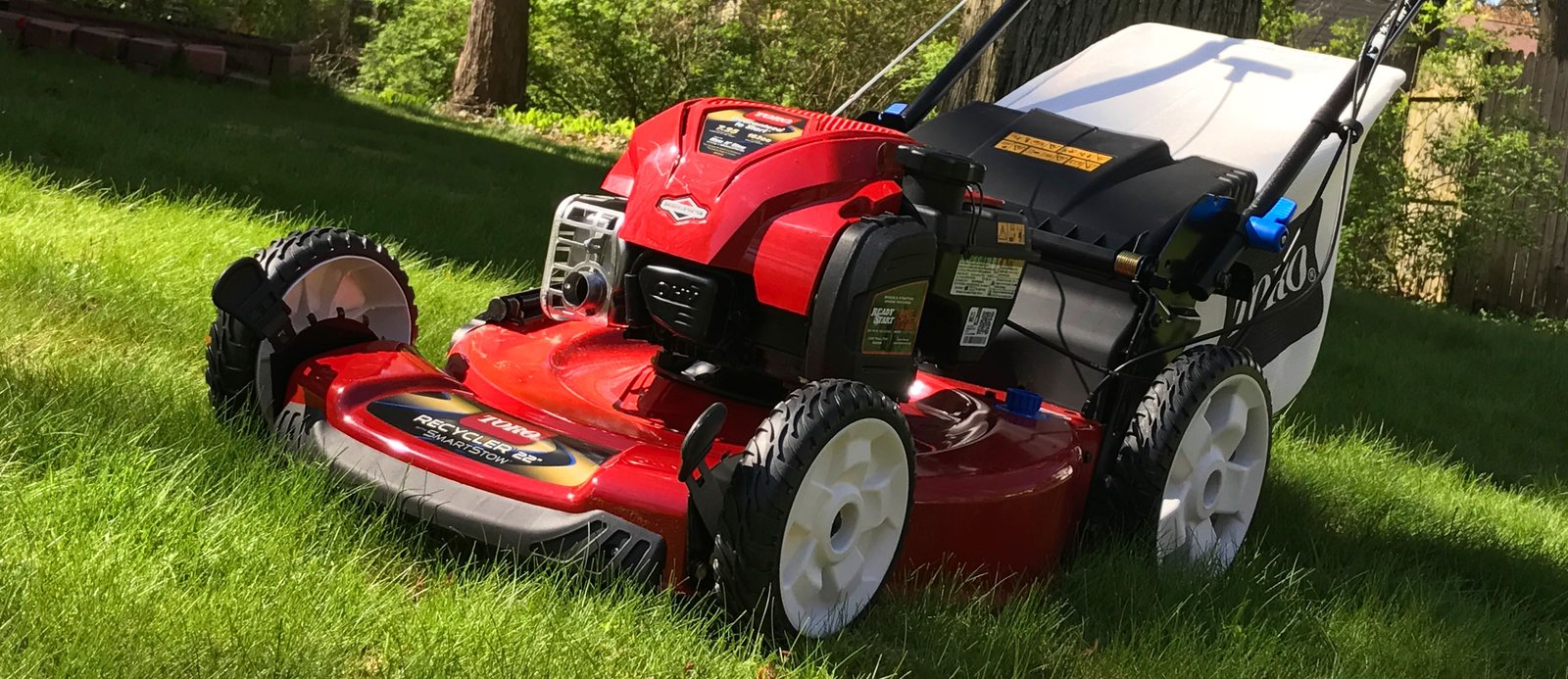
To fix a flooded lawn mower in 5 minutes: remove the spark plug, dry it with a rag, pull the starter cord 10-15 times to clear excess fuel from the cylinder, reinstall the plug and start without priming. If you don’t have tools, wait 15-30 minutes for fuel to evaporate, then try starting with the throttle wide open and choke off. Signs of flooding include strong gas smell, wet spark plug and engine that cranks but won’t fire.
The fastest fix takes about five minutes. Below, small engine mechanic Marcus Chen walks through this method step by step, plus alternative approaches if you don’t have tools handy.
Identifying a Flooded Lawn Mower
Before you start troubleshooting, make sure flooding is actually the problem. Here’s what to look for:
- Strong gasoline smell coming from the engine area
- Engine cranks but won’t fire—it spins freely but never catches
- Wet spark plug when you pull it out (the clearest confirmation)
- Fuel visible in the air filter or dripping from the carburetor
- Engine almost started then died and now won’t restart
If your engine won’t even crank (the pull cord feels stuck or the electric starter just clicks), flooding isn’t your issue. That’s a mechanical or electrical problem.
Reasons Your Lawn Mower Gets Flooded
Knowing what causes flooding lets you avoid it next time.
Over-priming is the most common cause. The primer bulb squirts raw fuel directly into the carburetor throat. Three to five pushes is plenty for a cold engine. More than that and you’re dumping fuel straight into the cylinder.
Repeated starting attempts make things worse. Every time you pull the cord, the carburetor delivers another shot of fuel. Ten unsuccessful pulls can flood an engine that was just slightly rich to begin with.
Leaving the choke on after the engine warms up keeps the air-fuel mixture too rich. The choke restricts airflow, which is helpful for cold starts but floods a warm engine.
Carburetor problems cause flooding even when you do everything right. A stuck float or worn needle valve lets fuel flow continuously into the engine.
Weak or no spark means fuel enters the cylinder but never ignites. It just accumulates until the engine is completely flooded.
Common Mistakes with Flooded Lawn Mowers
When a lawn mower won’t start, most people make the problem worse before they fix it. Here’s what not to do:
Don’t keep priming. If the engine didn’t start after your first round of primer pushes, adding more fuel won’t help. You’re just making the flooding worse.
Don’t crank endlessly. Stop after five or six pulls. Every pull adds fuel. If it hasn’t started by then, stop and try a different approach.
Don’t leave the choke on. Once you suspect flooding, move the choke to the RUN or OPEN position. A closed choke adds even more fuel to an already flooded engine.
Don’t ignore the spark plug. Many people waste 30 minutes trying random fixes when a two-minute spark plug check would confirm the problem immediately.
Fixing the Spark Plug in a Flooded Lawn Mower
This is the fastest and most reliable way to clear a flooded engine. It works on any lawn mower regardless of brand or engine type.
Step 1: Disconnect the Spark Plug Wire
Pull the rubber boot straight off the spark plug. Move the wire away from the plug hole so it can’t accidentally contact the plug while you’re working.
Step 2: Remove the Spark Plug
Use a spark plug socket (13/16” for most Briggs & Stratton engines, 3/4” for many others) with a ratchet. Turn counterclockwise to remove. The plug should come out easily—if it’s stuck, spray some penetrating oil around the base and wait a few minutes.
Step 3: Check the Plug Condition
A wet plug confirms flooding. You’ll see liquid fuel on the electrode and threads. If the plug is dry, your problem isn’t flooding—check for spark, fuel delivery, or compression issues instead.
Step 4: Dry the Spark Plug
Wipe the plug clean with a rag or paper towel. If there’s black carbon buildup on the electrode, scrub it with a wire brush or spray it with carburetor cleaner. The electrode needs to be clean and dry to create a strong spark.
Step 5: Clear the Cylinder
With the plug still out, pull the starter cord five to ten times. This pushes the excess fuel out through the spark plug hole. Stand to the side—fuel will spray out. Keep your face away from the opening.
Step 6: Reinstall the Spark Plug
Thread the plug in by hand first to avoid cross-threading. Once it’s seated, tighten with the socket wrench until snug. Don’t overtorque—about a quarter turn past finger-tight is enough. Reconnect the spark plug wire.
Step 7: Start Without Priming
Set the choke to RUN (open position). Move the throttle to FAST. Pull the starter cord. The engine should fire within three to five pulls. If it sputters and dies, give it one more pull—it’s clearing the last of the excess fuel.
Using the Wait-It-Out Technique
No tools? You can let the fuel evaporate on its own, but it takes longer.
- Move the choke to RUN (open position)
- Open the fuel shutoff valve if your mower has one
- Remove the air filter cover to improve airflow (optional but helps)
- Wait 15 to 30 minutes for fuel to evaporate from the cylinder
- Try starting without priming—choke open, no primer pushes
- Pull the cord smoothly five or six times
This method works best for mild flooding. If the engine was severely flooded, the spark plug method is faster and more reliable.
Applying the Full-Throttle Method
Some engines will clear themselves if you give them enough air.
- Move the throttle to FAST or HIGH
- Set the choke to RUN (fully open)
- Don’t touch the primer
- Pull the starter cord 10 to 15 times in a row
- The engine should sputter, cough, then catch
Fair warning: When the engine finally starts with this method, it may race at high RPM for a few seconds while it burns off the excess fuel. Keep your hands clear of the blade area and let it settle down before adjusting the throttle.
Preventing Flooding in Your Lawn Mower
Follow the Right Priming Sequence
| Condition | Primer Pushes | Choke Position |
|---|---|---|
| Cold engine (hasn’t run today) | 3 to 5 | CHOKE or START |
| Cool engine (sat for an hour) | 1 to 2 | CHOKE or START |
| Warm engine (just stopped) | 0 | RUN |
| Hot restart (stopped mid-mow) | 0 | RUN |
Know When to Stop Pulling
If the engine doesn’t start after five or six pulls, stop. Don’t keep cranking. Either wait a few minutes and try again, or pull the spark plug to check for flooding. Endless pulling just makes things worse.
Move the Choke After Starting
Once the engine fires, move the choke to RUN within 15 to 30 seconds. Leaving it on CHOKE or START floods the engine with fuel. Many warm-weather flooding problems come from forgetting this step.
Dealing with Persistent Flooding Issues
If your mower floods repeatedly even when you follow proper starting procedure, something else is wrong.
Carburetor Problems
A stuck float or worn needle valve lets fuel flow into the engine continuously. You’ll notice fuel dripping from the carburetor or air filter even when the engine isn’t running. The fix is cleaning or rebuilding the carburetor—usually a $15 to $30 repair if you do it yourself.
Ignition Problems
No spark means fuel enters the cylinder but never burns. Pull the spark plug, reconnect the wire, ground the plug threads against the engine block, and pull the cord. You should see a bright blue spark. No spark or weak orange spark means the ignition coil, kill switch, or plug wire needs attention. See our spark plug tester guide for detailed testing steps.
Automatic Choke Issues
Many newer mowers have automatic chokes that open as the engine warms up. If the choke mechanism sticks closed, the engine runs rich and floods. Check that the choke plate moves freely and the thermostatic spring (the coiled metal piece connected to the choke) isn’t broken.
Essential Tools for Lawn Mower Repair
Tools:
- Spark plug socket (13/16” or 3/4”)
- Ratchet wrench
- Wire brush (for cleaning fouled plugs)
Materials:
- Clean rag or paper towels
- Carburetor cleaner spray (optional)
- Replacement spark plug (if needed—around $3 to $6)
Our Conclusion
Fixing a flooded lawn mower takes about five minutes once you know the process. Remove the spark plug, dry it off, pull the cord a few times to clear the cylinder, reinstall the plug and start without priming. For mild flooding, you can skip the spark plug step and just wait 15 to 30 minutes before trying again with the choke open.
The bigger issue is prevention. Most flooding happens from over-priming or cranking too many times. Follow the priming guidelines above and stop after five or six unsuccessful pulls. If your mower floods repeatedly despite proper technique, check the carburetor float and ignition system.