Run Power Tools From Your Truck Battery With the Right Inverter
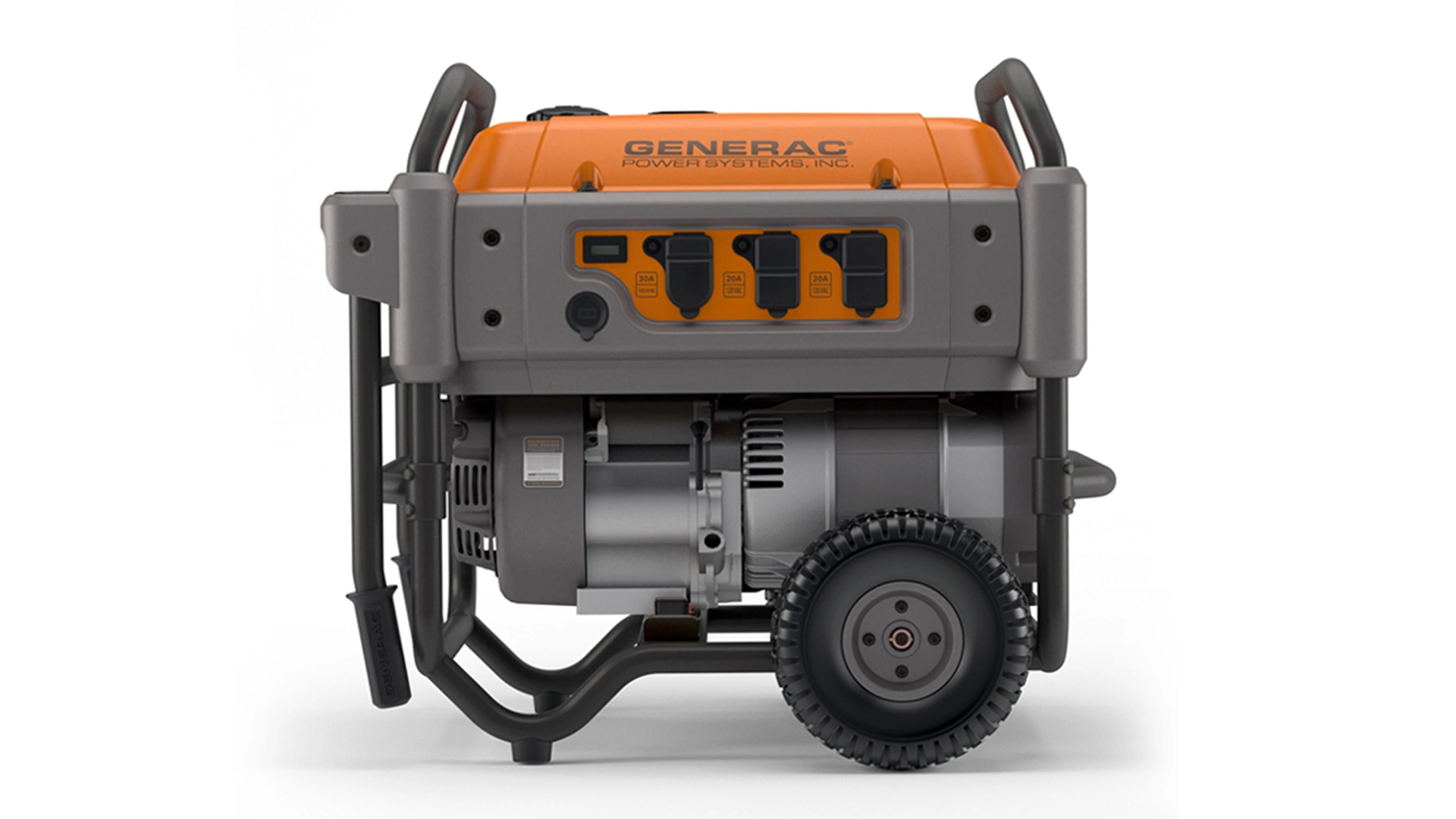
A power inverter converts 12V DC battery power to 120V AC household electricity. Plug one into your truck battery and you’ve got power tools, chargers and lights anywhere. No generator noise, no gas.
The catch: buy the wrong type or size and you’ll blow fuses, damage equipment or kill your battery. A $40 modified sine wave unit might fry the charger for your cordless drill. An undersized inverter shuts down the moment you pull the trigger on a circular saw.
Here’s how to pick the right inverter, wire it safely and avoid the common mistakes.
How Power Inverters Work
Your vehicle battery produces 12V DC (direct current). Power tools and household devices need 120V AC (alternating current). An inverter switches the DC polarity thousands of times per second to simulate AC, then steps up the voltage.
Efficiency runs 85-95%. Some power is always lost as heat. A 1000W inverter pulling 1000W of load actually draws about 1050-1175W from your battery (90-100 amps at 12V). Factor this into your battery capacity calculations.
Pure Sine Wave vs Modified Sine Wave
This is the most important decision. Get it wrong and you damage equipment.
Modified Sine Wave
The cheap option. Creates a choppy stepped waveform that approximates AC power.
Works fine with:
- Incandescent lights
- Simple power tools (drills, saws)
- Heat-based devices (heaters, soldering irons)
- Basic phone chargers
Causes problems with:
- Laptop and device chargers (may overheat)
- Audio equipment (buzzing, humming)
- Laser printers
- Some battery chargers (especially smart chargers)
- Variable-speed motors (may overheat)
Cost: $40-150 for 1000-2000W
Pure Sine Wave
Clean waveform identical to wall outlet power. Runs everything without issues.
Cost: $100-300 for 1000-2000W
The price gap has narrowed. Five years ago pure sine cost 3-4x more. Now it’s often less than double. Unless you’re only powering basic hand tools, pure sine wave is worth the extra money.
Sizing Your Inverter
Wattage Ratings Explained
Every inverter has two ratings:
- Continuous: Power it delivers indefinitely (the main rating)
- Surge/Peak: Power it handles for 1-5 seconds during motor startup (usually 2x continuous)
Common Tool Wattage
| Tool | Running Watts | Startup Surge |
|---|---|---|
| Drill (corded) | 600-900W | 1200-1800W |
| Circular saw | 1200-1500W | 2400-3000W |
| Reciprocating saw | 800-1200W | 1600-2400W |
| Angle grinder | 700-1000W | 1400-2000W |
| Air compressor (small) | 1000-1500W | 2000-3000W |
| Battery charger (tool) | 100-300W | 100-300W |
| Work light (LED) | 50-200W | 50-200W |
| Phone/tablet charger | 10-30W | 10-30W |
Rule of thumb: buy an inverter rated 20% above your highest single load. Running a 1200W circular saw? Get a 1500W or 2000W inverter for headroom.
Size Recommendations
| Use Case | Inverter Size | Cost Range |
|---|---|---|
| Phone/laptop charging | 150-300W | $25-50 |
| Single power tool | 1000-1500W | $80-200 |
| Multiple tools or jobsite | 2000-3000W | $150-400 |
| Emergency home backup | 3000W+ | $300-600 |
Installation and Wiring
Under 150W: Cigarette Lighter
Small inverters plug directly into the 12V outlet. The circuit is fused at 15-20 amps, limiting you to about 150-180W. Fine for charging devices. Useless for power tools.
Over 150W: Direct Battery Connection
Clamp or bolt the inverter cables directly to battery terminals. Use the gauge wire recommended by the manufacturer — undersized wires overheat and melt.
Typical wire gauge by load:
| Inverter Size | Minimum Wire Gauge | Max Cable Length |
|---|---|---|
| 500W | 8 AWG | 6 ft |
| 1000W | 4 AWG | 6 ft |
| 2000W | 2 AWG | 6 ft |
| 3000W | 1/0 AWG | 6 ft |
Keep cables as short as possible. Longer cables increase voltage drop and heat. Mount the inverter close to the battery.
Permanent Installation
For trucks and work vehicles, hardwire the inverter with a fused disconnect. Mount it in a ventilated location — inverters generate heat under load. Route 120V output to a receptacle box in the truck bed for easy access.
Battery Capacity and Runtime
Your battery limits how long you can run the inverter. Here’s how to estimate runtime:
Formula: Runtime (hours) = Battery Ah × 12V × Efficiency (0.85) ÷ Load (watts)
| Battery | 200W Load | 500W Load | 1000W Load |
|---|---|---|---|
| 50Ah (car) | 2.5 hrs | 1 hr | 30 min |
| 100Ah (deep cycle) | 5 hrs | 2 hrs | 1 hr |
| 200Ah (dual battery) | 10 hrs | 4 hrs | 2 hrs |
Run your engine when drawing more than 300W. Your alternator (60-120A at idle) replenishes the battery while the inverter works. Without the engine running, you’ll drain a standard car battery in under an hour at 1000W.
Add a battery monitor to track voltage. Shut down the inverter if battery voltage drops below 12.0V. Going below 11.5V risks damage to the battery and makes it hard to restart the vehicle.
Common Mistakes
Undersizing the inverter. A 1000W inverter can’t start a tool with a 2000W surge. The inverter shuts down or its internal fuse blows. Size for the surge, not just the running watts.
Running through the cigarette lighter. Blows the fuse instantly on anything over 150W. Direct battery connection is the only option for real power tools.
Ignoring cable gauge. Thin cables create resistance, voltage drop and heat. Follow the manufacturer’s wire gauge spec exactly.
Draining the battery without the engine. Nothing ruins your day faster than a dead battery 20 miles from the nearest jump start. Run the engine or bring a second battery.
Modified sine wave with sensitive electronics. Laptop chargers, smart battery chargers and anything with a transformer can overheat or malfunction on modified sine wave. When in doubt, go pure sine.