Load Tester or Digital Analyzer: Which Battery Tester Do You Need?
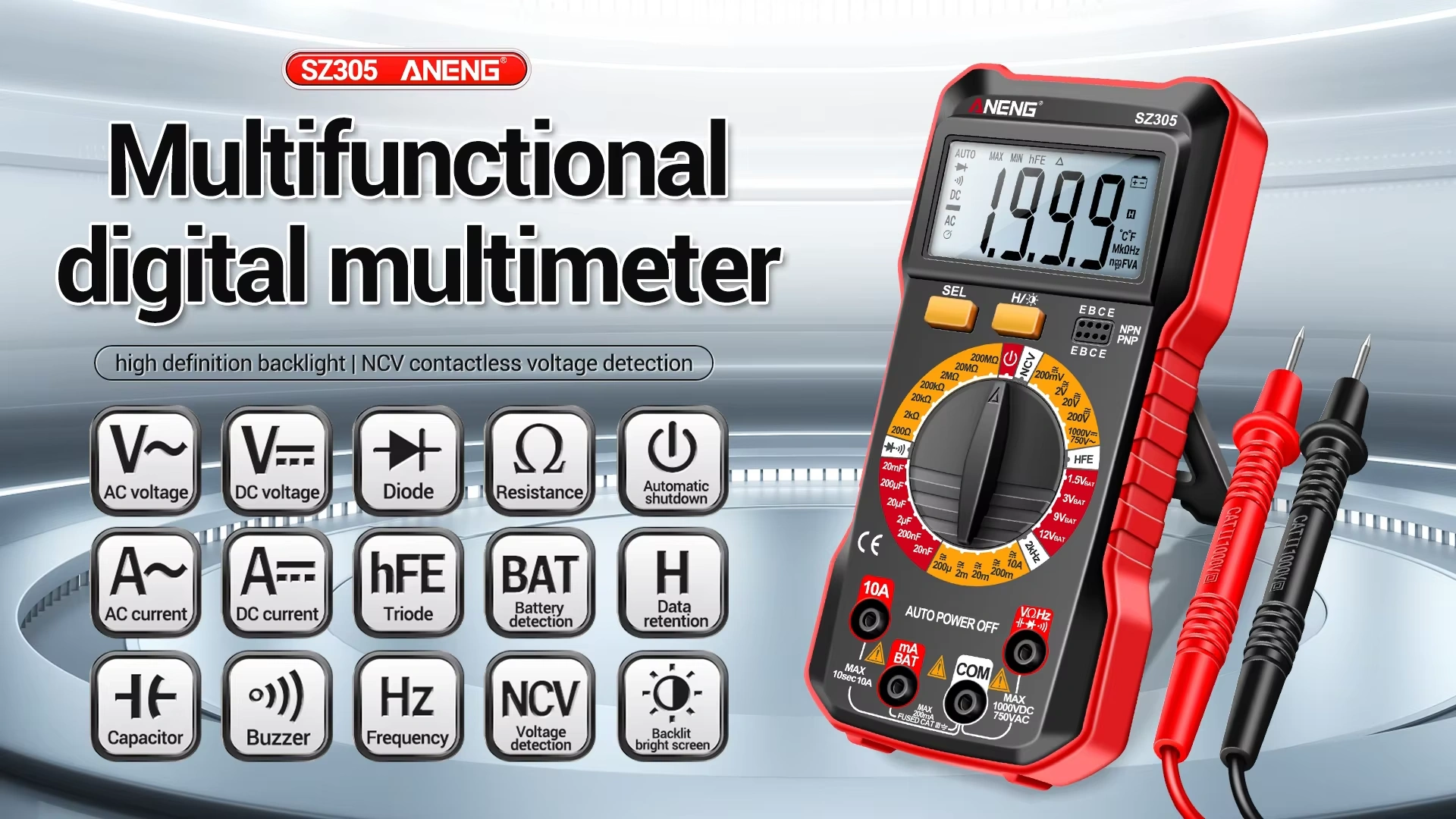
To test a battery properly, use a load tester ($30-80) that applies 100+ amps for 15 seconds—voltage should stay above 9.6V. A battery showing 12.6V at rest can still fail under load if the cells are weak. Digital battery analyzers ($50-150) test Cold Cranking Amps (CCA) and give pass/fail results in seconds without heavy discharge. For quick checks, a multimeter reading below 12.4V at rest means the battery needs charging; below 12.0V indicates a dead or failing battery.
Why Battery Voltage Readings Aren’t Enough
Understanding the limits of simple voltage testing.
The Voltage Trap
Batteries can fool you:
- Show 12.6V at rest (appears full)
- Drop to 8V under load (can’t start engine)
- Recover to 12V after failed start attempt
- Appear fine on voltmeter, fail in use
What Actually Matters
Starting requires current, not just voltage:
- Voltage: Electrical pressure (potential)
- Current (amps): Actual flow of electricity
- CCA: Cold Cranking Amps - starting power
A weak battery has voltage but can’t deliver amps.
Internal Resistance
As batteries age, internal resistance increases:
- Higher resistance = less current flow
- Voltage drops more under load
- Less power reaches the starter
- Eventually won’t crank engine
Battery testers measure this.
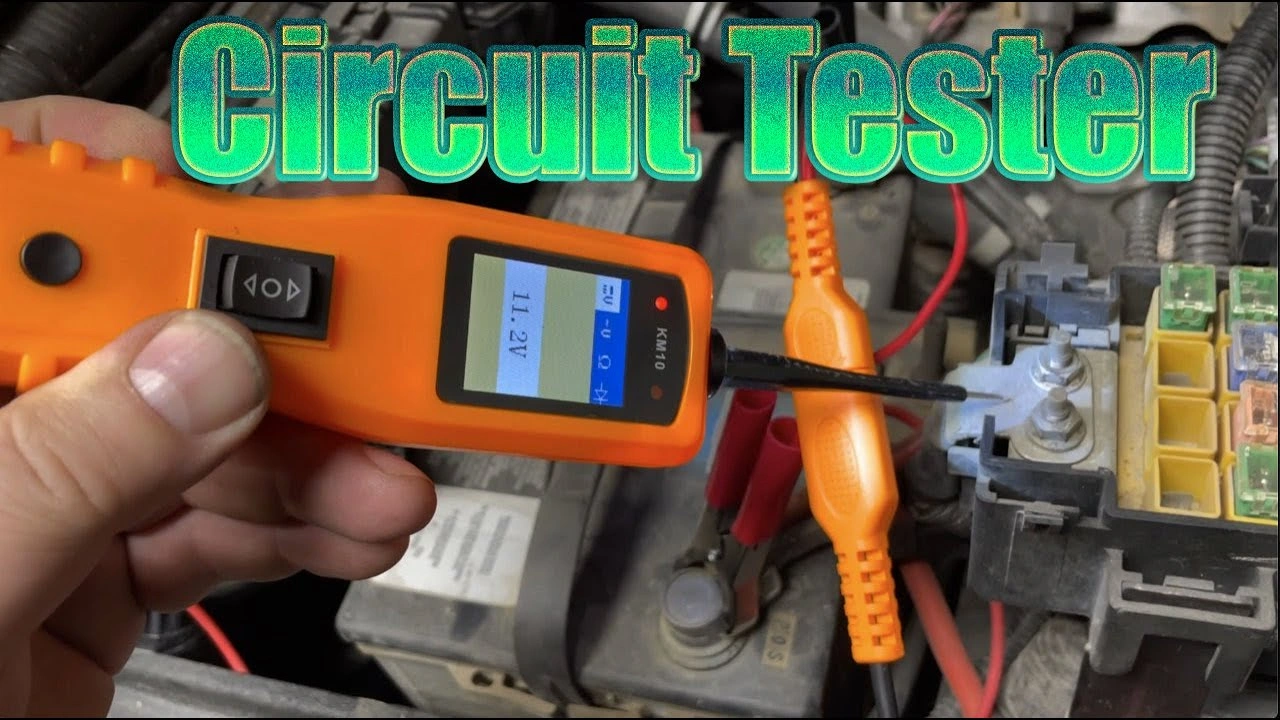
Types of Testers
Different testers for different needs.
Carbon Pile Load Testers
Traditional professional testers:
How they work:
- Apply heavy resistive load
- Measure voltage under load
- Simulate starting demand
Pros:
- Definitive pass/fail
- Tests under realistic conditions
- Professional standard for decades
Cons:
- Heavy and bulky
- Draws battery down during test
- Requires fully charged battery
- Not portable
Digital Conductance Testers
Modern electronic analyzers:
How they work:
- Send AC signal through battery
- Measure internal conductance
- Calculate CCA without discharge
Pros:
- Quick and easy
- Safe - no heavy discharge
- Works on partially charged batteries
- Portable
Cons:
- May miss some failure modes
- Requires entering battery specs
- More expensive than basic testers
Combination Testers
Best of both worlds:
- Conductance testing for quick check
- Load testing for confirmation
- Charging system analysis
- Starter draw testing
Worth the investment for shops and serious DIYers.
Simple Load Testers
Basic pass/fail testers:
- Built-in load (usually fixed)
- Watch voltage under load
- Inexpensive option
- Limited precision
Good for basic go/no-go testing.
How to Run a Test
Step-by-step for accurate results.
Before Testing
- Charge battery fully - test only on charged batteries
- Let battery rest - 2 hours after charging
- Clean terminals - corrosion affects readings
- Note battery specs - CCA rating, Ah capacity
- Check electrolyte - if accessible (flooded batteries)
Load Tester Procedure
- Connect positive clamp to positive terminal
- Connect negative clamp to negative terminal
- Apply load equal to half CCA for 15 seconds
- Read voltage while under load
- Release load immediately at 15 seconds
- Compare to specifications
Digital Analyzer Procedure
- Connect clamps to terminals
- Enter battery CCA rating (or select from menu)
- Select battery type (flooded, AGM, gel)
- Initiate test
- Read results on display
Testing Charging System
Many testers include this function:
- Start engine after battery test
- Rev to ~2000 RPM
- Tester measures charging voltage
- Compares to specification
- Identifies charging problems
Reading Test Results
What the numbers mean.
Load Test Results
Voltage under load indicates condition:
| Voltage Under Load | Result |
|---|---|
| Above 9.6V | Good |
| 9.0-9.6V | Marginal |
| Below 9.0V | Replace |
These apply to 12V batteries at 70°F (21°C).
Digital Analyzer Results
Typically displays:
- CCA measured vs rated
- State of Health (SOH) percentage
- State of Charge (SOC) percentage
- Pass/Fail/Replace recommendation
CCA interpretation:
| Measured CCA | Condition |
|---|---|
| 80%+ of rated | Good |
| 60-80% of rated | Fair/Monitor |
| Below 60% | Replace |
Charging System Results
| Charging Voltage | Indication |
|---|---|
| 13.5-14.5V | Normal |
| Below 13.5V | Undercharging |
| Above 15V | Overcharging |
| Equals battery voltage | No charging |
Small Engine Battery Specs
Common battery ratings for reference:
| Equipment | Typical CCA | Battery Group |
|---|---|---|
| Riding mower | 200-350 | U1, U1R |
| Zero turn | 300-500 | U1, Group 51 |
| ATV | 150-300 | YTX, YTZ |
| UTV | 300-500 | Various |
| Generator | 150-250 | Various |
When to Replace Based on Results
Making the replacement decision.
Definite Replacement Indicators
Replace immediately if:
- CCA below 50% of rating
- Won’t hold charge overnight
- Physical damage (cracks, swelling, leaking)
- More than 5 years old and failing tests
- Repeated jump starts needed
Monitor Closely
Watch these batteries:
- CCA 50-70% of rating
- Marginal load test results
- Slow cranking in cold weather
- 3-4 years old with declining tests
Still Good
Battery is fine if:
- CCA above 70% of rating
- Passes load test
- Holds charge for weeks
- Cranks engine strongly
- No physical issues
Test Schedule
Recommended testing frequency:
- Annually: All equipment batteries
- Before storage: Catch problems early
- After storage: Verify condition
- After jump start: May indicate problem
- When symptoms appear: Slow cranking, etc.
Frequently Asked Questions
Can I test a battery with just a multimeter?
A multimeter measures voltage but can’t test capacity. A 12.6V reading only confirms charge level, not ability to deliver power. For true battery condition, you need a load tester or analyzer.
Why does my battery test good but won’t start my mower?
Possible causes: corroded cables, bad starter, safety switch problem or intermittent connection. The battery may be fine while other components fail. Test the complete starting circuit.
Should I test batteries before or after charging?
After charging, with a rest period. Testing a discharged battery shows it’s discharged, not necessarily bad. Always test fully charged batteries for accurate condition assessment.
How accurate are cheap battery testers?
Basic load testers provide useful go/no-go information. Inexpensive digital analyzers vary in accuracy. For critical decisions, use quality equipment or have batteries tested professionally.
My new battery tests low - is it defective?
Possibly. Or it may need initial charging. New batteries sometimes ship at 80% charge. Fully charge before testing. If still low, warranty replacement is appropriate.
Maintenance Tips
Keep your testing equipment working.
Maintenance
- Keep clamps clean and tight
- Check cable condition regularly
- Store in dry location
- Replace batteries in digital units
- Calibrate if possible/required
Accuracy Checks
Periodically verify accuracy:
- Test known good battery
- Compare results to expected values
- Test against another tester
- Professional calibration for shop equipment
Related Guides
- Automotive Circuit Tester Guide - Testing electrical circuits
- 12V Battery Analyzer - Digital battery diagnostics
- Trailer Wiring Diagrams - Troubleshoot trailer electrical problems
- Battery Maintainer Guide - Keep batteries charged during storage
- Rechargeable Work Light Guide - LED lighting for repairs
Summary
A battery tester is essential for anyone maintaining equipment with batteries. It eliminates guesswork, prevents unnecessary replacements and identifies problems before they strand you. Even a basic load tester or affordable digital analyzer beats guessing based on voltage alone.