Small Engine Fuel Problems | Diagnosis & Solutions
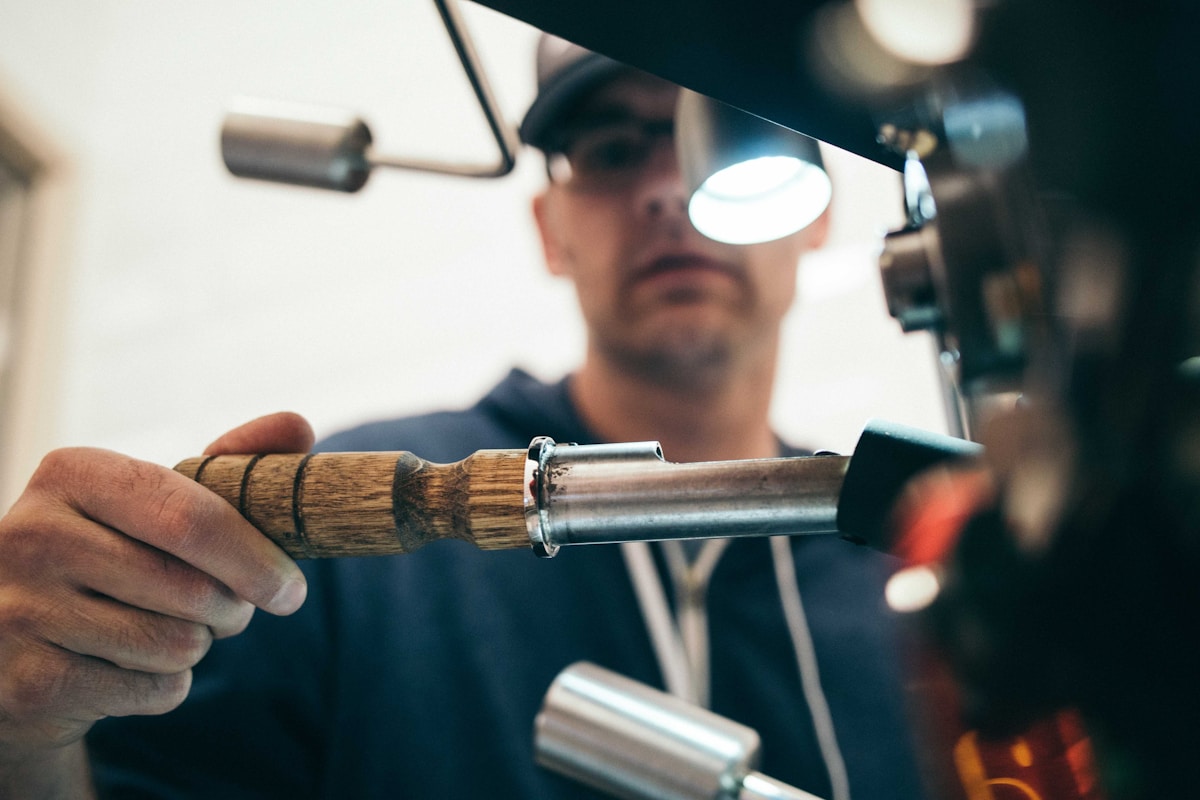
Fuel-related issues account for the majority of small engine problems - easily 80% of what I see in my shop. Modern gasoline with ethanol creates challenges that didn’t exist decades ago when small engines were designed. Understanding fuel problems and prevention saves countless hours of frustration and significant repair costs. This guide covers what goes wrong and how to prevent it.
Table of Contents
- The Ethanol Problem
- Old Fuel Issues
- Fuel System Components
- Diagnosing Fuel Problems
- Prevention Strategies
- Troubleshooting Quick Reference
- Frequently Asked Questions
The Ethanol Problem
Most gasoline sold today contains 10% ethanol (E10), which creates specific challenges for small engines that weren’t designed for it.
 Ethanol-blended fuels require additional care in small engines
Phase Separation
Ethanol absorbs water from the atmosphere. When water content exceeds about 0.5%, the ethanol-water mixture separates from gasoline and sinks to the bottom of the tank.
Problems caused:
- Engine draws water-ethanol mix, won’t run
- Corrosion of fuel system components
- Carburetor damage
Material Degradation
Ethanol attacks certain materials:
- Rubber fuel lines and gaskets
- Cork float material
- Some plastic components
- Aluminum carburetor bodies (when combined with water)
Running Lean
Ethanol burns differently than gasoline, causing slightly lean conditions that can overheat engines.
Old Fuel Issues
Gasoline degradation creates the most common small engine problems.
Degradation Timeline
| Age | Condition |
|---|---|
| 0-30 days | Fresh, optimal |
| 30-60 days | Beginning to degrade |
| 60-90 days | Noticeably degraded |
| 90+ days | Likely to cause problems |
Varnish Formation
As gasoline ages, light compounds evaporate and heavy compounds form varnish—the sticky residue that clogs carburetors.
Symptoms:
- Hard starting
- Rough running
- Clogged jets and passages
Stale Fuel Symptoms
- Engine won’t start
- Starts but runs poorly
- Surging or hunting
- Dies under load

Fuel System Components
Understanding each component helps with diagnosis.
Fuel Tank
Common problems:
- Rust (steel tanks)
- Cracks (plastic tanks)
- Debris accumulation
- Vent blockage
Fuel Lines
Common problems:
- Cracking from ethanol exposure
- Collapse from age
- Kinking from improper routing
- Disconnection at fittings
Fuel Filter
Common problems:
- Clogging from debris or varnish
- Deterioration from ethanol
- Improper flow direction
Carburetor
Common problems:
- Varnish in jets and passages
- Failed needle and seat
- Float problems
- Gasket failures
Primer System
Common problems:
- Cracked primer bulb
- Clogged primer lines
- Failed check valves
Prevention Strategies
Preventing fuel problems is easier than fixing them.
Use Fresh Fuel
- Buy from high-volume stations
- Purchase only what you’ll use in 30 days
- Date your fuel containers
Use Fuel Stabilizer
Add stabilizer to fuel immediately—don’t wait until storage.
Types:
- Standard stabilizers (3-12 months protection)
- Marine formulas (stronger water absorption)
- Ethanol treatment (addresses ethanol-specific issues)
Consider Ethanol-Free Fuel
Where available, ethanol-free fuel eliminates many problems. It costs more but may be worthwhile for premium equipment.
Proper Storage
- Run engine dry before storage, OR
- Fill tank completely with stabilized fuel
- Never store with half-empty tanks (condensation)
Regular Use
Equipment used regularly develops fewer fuel problems than equipment sitting for months.
Diagnosing Fuel Problems
Fuel Flow Test
- Disconnect fuel line at carburetor
- Direct into container
- Fuel should flow freely
- No flow indicates tank, line, or filter problem
Fuel Quality Assessment
- Color: Fresh gas is light amber; old fuel darkens
- Smell: Fresh gas has sharp odor; old fuel smells stale
- Clarity: Clear is good; cloudy indicates water
Carburetor Assessment
After confirming fuel delivery:
- Check for fuel in carburetor bowl
- Inspect for visible varnish
- Verify fuel reaching intake
Troubleshooting Quick Reference
| Symptom | Likely Fuel Cause | Solution |
|---|---|---|
| Won’t start | Old/bad fuel | Drain, add fresh fuel |
| Starts, dies immediately | Phase-separated fuel | Drain tank completely |
| Runs rough, surges | Varnish in carburetor | Clean carburetor |
| Loses power under load | Clogged fuel filter | Replace filter |
| Only runs on choke | Clogged carburetor jets | Clean/rebuild carb |
| Fuel leaking | Cracked lines/gaskets | Replace components |
| Tank won’t vent | Blocked tank vent | Clean or replace cap |
| Engine overheats | Running lean | Check fuel delivery |
Frequently Asked Questions
How long can gas sit in a small engine?
Without stabilizer, gasoline degrades noticeably within 30 days and starts causing problems within 90 days. Varnish forms in the carburetor, making starting difficult or impossible. With quality fuel stabilizer added when fuel is fresh, it remains viable for 6-12 months depending on conditions.
Is ethanol-free gas better for small engines?
Yes, significantly better. Ethanol-free fuel doesn’t absorb water from the air, doesn’t attack rubber and plastic fuel system components, and stores much longer without degradation. The extra cost ($1-2 more per gallon) is worthwhile for premium equipment or anything that sits between uses. Many recreational fuel stations sell ethanol-free gas.
How do I know if my fuel is bad?
Several signs indicate degraded fuel:
- Color - Fresh gas is light amber; old fuel turns darker
- Smell - Fresh gas has a sharp, distinctive odor; old fuel smells stale or like varnish
- Clarity - Fresh gas is clear; cloudy fuel indicates water contamination
- Separation - Visible layers in the tank indicate phase separation
When in doubt, replace the fuel. It’s cheap insurance.
Can I mix old and new gas?
Diluting slightly old fuel (30-60 days) with fresh fuel may work for less demanding applications. However, mixing severely degraded fuel with fresh fuel just contaminates the fresh fuel. If fuel is more than 90 days old or shows signs of degradation, dispose of it properly and start fresh.
What fuel stabilizer should I use?
Quality brands include Sta-Bil, Sea Foam and Star Tron. Marine formulations offer additional water absorption capabilities. Follow product directions for dosage - more isn’t better. Add stabilizer to fresh fuel, not fuel that’s already old.
How often should I replace fuel lines?
Replace fuel lines showing any cracking, hardening, softening, or swelling. These are signs of ethanol damage. Proactive replacement every 3-5 years prevents failures. When you replace lines, replace the fuel filter at the same time.
Why does my engine only run on choke?
Running only on choke indicates the carburetor isn’t delivering enough fuel on normal settings. The choke artificially enriches the mixture, compensating for the lean condition. Common causes include clogged main jet, blocked fuel passages, or air leaks. Clean the carburetor thoroughly or have it rebuilt.
What’s the best fuel for small engines?
Fresh 87+ octane ethanol-free gasoline is ideal. If ethanol-free isn’t available, use fresh E10 with fuel stabilizer added immediately. For two-stroke engines, use quality synthetic two-stroke oil at the manufacturer’s specified ratio.
 Add stabilizer to fresh fuel - it can’t restore fuel that’s already degraded
Related Guides
Fuel problems cause most small engine headaches. Use fresh fuel, add stabilizer, and either run equipment dry for storage or keep tanks full with treated fuel. These simple practices prevent 80% of the problems I see in my shop.