Briggs & Stratton 799866 Carburetor | Complete Repair Guide
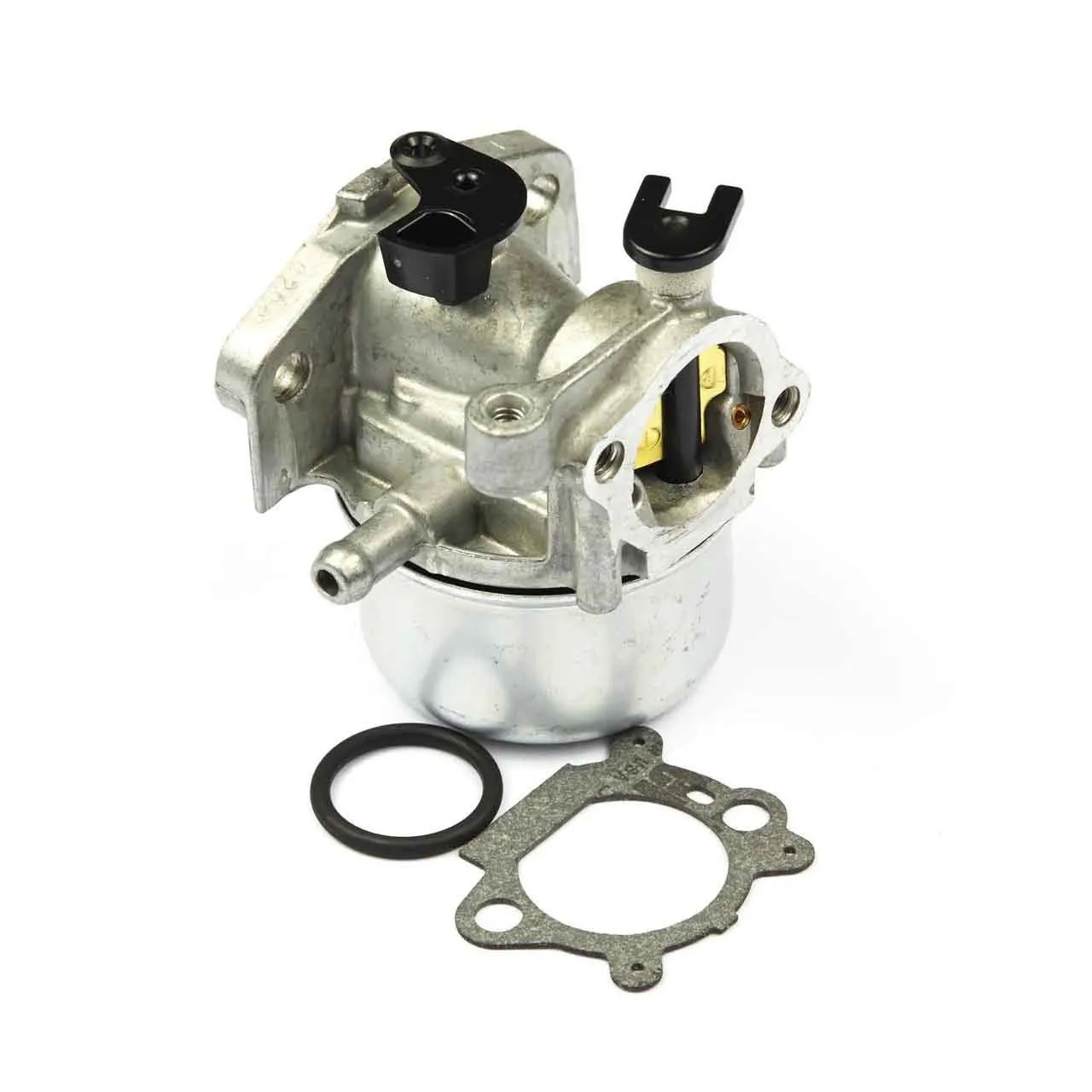
The Briggs & Stratton 799866 carburetor is one of the most commonly replaced carbs in America. It fits 6.5 to 7.25 horsepower engines found in Toro and Craftsman walk-behind mowers. If your mower won’t start, runs rough or surges, this carburetor is often the culprit.
Table of Contents
- What Engines Use the 799866
- Symptoms of a Bad 799866 Carburetor
- 799866 vs Alternatives
- How to Replace the 799866
- Cleaning vs Replacing
- Common Problems and Fixes
- Adjustment and Tuning
What Engines Use the 799866
The 799866 fits Briggs & Stratton engines in the 190cc to 206cc range. You’ll find it on:
Toro Models:
- Toro Recycler 22” (model 20332, 20333, 20334)
- Toro Super Recycler 21”
- Toro Personal Pace mowers (2010-2018)
Craftsman Models:
- Craftsman 675 Series
- Craftsman 700 Series
- Craftsman 190cc push mowers
Engine Codes:
- 120000 series
- 121000 series
- 122000 series
- 128000 series
Check the model and type numbers stamped on your engine’s blower housing to confirm fitment. The 799866 replaces older part numbers 794304, 796707 and 790845.
[NEED REAL IMAGE: Engine ID location on Briggs & Stratton showing model/type stamp]
Symptoms of a Bad 799866 Carburetor
Your carburetor needs attention when you notice these issues:
Engine Won’t Start
The most common complaint. Stale fuel gums up the tiny passages inside. The main jet clogs first, preventing fuel from reaching the combustion chamber.
Surging at Idle
Engine revs up and down on its own. This indicates a lean fuel condition - the carb isn’t delivering enough fuel. Usually caused by clogged idle circuits or a failing primer bulb.
Black Smoke and Rich Running
Too much fuel reaches the engine. Look for a stuck float needle or incorrect float height. Sometimes debris holds the needle valve open.
Leaking Fuel
Fuel drips from the carb body or primer area. The gaskets have failed or the float needle seat is damaged.
Hard Starting When Hot
Engine starts cold but struggles when warm. Often caused by a failing primer system or heat-related fuel percolation.
799866 vs Alternatives
Several part numbers interchange with the 799866. Here’s what to know:
| Part Number | Notes |
|---|---|
| 799866 | Current production number |
| 794304 | Previous version, identical fit |
| 796707 | Superseded by 799866 |
| 790845 | Older number, same carb |
| 799871 | Different - for 190cc vertical shaft |
Aftermarket Options:
Aftermarket 799866 carbs run $12-$25 vs $45-$60 for genuine Briggs. Quality varies. Some work fine for years. Others have casting issues that cause immediate problems.
My recommendation: If you’re keeping the mower long-term, buy genuine. For an older mower you might replace soon, aftermarket is fine.
How to Replace the 799866
Replacement takes 20-30 minutes with basic tools.
Tools Needed
- 3/8” socket and ratchet
- 5/16” socket
- Flathead screwdriver
- Needle-nose pliers
- Shop towels
Step-by-Step Replacement
1. Disconnect the spark plug wire
Always do this first. Pull the boot off the spark plug to prevent accidental starting.
2. Remove the air filter housing
Usually held by one or two screws or clips. Set aside the air filter element.
[NEED REAL IMAGE: Air filter housing removal on Toro/Craftsman mower]
3. Shut off the fuel
If your mower has a fuel shutoff, close it. Otherwise, clamp the fuel line with locking pliers or have a rag ready to catch fuel.
4. Remove the carburetor mounting bolts
Two bolts secure the carb to the engine. Support the carb while removing the second bolt.
5. Disconnect linkages
Note how the throttle and governor linkages connect. Take a photo with your phone before disconnecting. The springs and linkage positions matter.
6. Pull off the fuel line
Fuel will spill. Have your rag ready.
7. Remove the old gaskets
Scrape off old gasket material from the intake port. Don’t let debris fall into the engine.
8. Install the new carburetor
Reverse the process. Use new gaskets (included with most carb kits). Don’t overtighten the mounting bolts - snug is enough.
9. Reconnect linkages exactly as photographed
Wrong linkage positions cause the governor to malfunction.
10. Prime and start
Push the primer bulb 3-5 times. The engine should start within a few pulls.
Cleaning vs Replacing
Sometimes cleaning saves the old carb. Here’s how to decide:
Clean When:
- Fuel was left in over winter (gummed up but not corroded)
- Engine runs but poorly
- You can see varnish buildup
- Carb is less than 5 years old
Replace When:
- Visible corrosion inside
- Primer bulb cracked or hardened
- Throttle shaft worn and leaky
- You’ve cleaned it twice already this season
- New carb costs under $25
Cleaning Procedure
1. Remove the carburetor (same steps as replacement)
2. Disassemble carefully
Remove the float bowl (one screw), float pin, float, and needle valve. Note: the main jet may be pressed in and non-removable on this carb.
3. Soak in carburetor cleaner
Use a parts tray with Berryman B-12 or similar. Soak 30 minutes minimum.
4. Clear all passages
Use compressed air to blow through every hole and passage. Carb cleaner spray helps here.
5. Check the float needle
The rubber tip should be pliable, not hard or grooved. Replace if damaged.
6. Reassemble with new gaskets
Gasket kits for the 799866 run about $8-12.
Common Problems and Fixes
Problem: Engine Surges Constantly
Cause: Clogged low-speed circuit or air leak
Fix:
- Remove carb and clean the small holes around the throttle plate
- Check the gasket between carb and intake for tears
- Inspect the primer bulb for cracks
Problem: Fuel Leaks From Primer Area
Cause: Cracked primer bulb or failed o-ring beneath it
Fix:
- Replace primer bulb ($4-8)
- Check the o-ring seat underneath
- Apply a tiny amount of grease to the new o-ring
Problem: Won’t Start Unless Primed Repeatedly
Cause: Float needle not sealing properly
Fix:
- Check for debris on needle seat
- Replace needle and seat if worn
- Verify float height (should be parallel to carb body when inverted)
Problem: Runs Rich, Black Smoke
Cause: Float stuck or needle held open
Fix:
- Tap carb body gently while running (temporary)
- Clean or replace float and needle assembly
- Check fuel pressure if using aftermarket fuel pump
Problem: Dies Under Load
Cause: Main jet clogged or fuel supply restricted
Fix:
- Clean main jet passage
- Check fuel filter
- Verify fuel cap vents properly (loosen cap to test)
Adjustment and Tuning
The 799866 has limited adjustment options - no mixture screws on most versions.
Governor Adjustment
If engine speed seems wrong after carb replacement:
- Loosen the governor arm clamp bolt
- Rotate the governor shaft fully clockwise (viewed from above)
- Move the throttle linkage to wide open position
- Tighten clamp bolt
- Start engine and check RPM with tachometer
Target RPM for most mowers: 2900-3100 at no load.
Idle Speed
Some versions have an idle speed screw on the throttle linkage plate. Turn clockwise to increase idle, counterclockwise to decrease.
Where to Buy
Genuine Briggs & Stratton 799866:
- Briggs & Stratton dealers
- Amazon (verify seller reputation)
- RepairClinic.com
- Jack’s Small Engines
Aftermarket:
- Amazon (multiple sellers, $12-25)
- eBay
- Local auto parts stores occasionally
Frequently Asked Questions
How do I know if I need the 799866 or a different carb?
Check your engine model number on the blower housing. Search that number on Briggs & Stratton’s parts lookup to confirm the correct carburetor part number.
Can I use an aftermarket 799866?
Yes, but quality varies. Look for sellers with good reviews and be prepared to return if it doesn’t fit right.
Why does my new carburetor leak?
Usually a gasket installation issue or debris on the needle seat. Remove and reinstall, checking all sealing surfaces.
How long should this carburetor last?
With fresh fuel and proper storage, 8-10+ years. With ethanol fuel left to sit, maybe 2-3 seasons before issues appear.
The 799866 is a straightforward carburetor to work on. Take your time with the linkages, use fresh gaskets and you’ll have your mower running right.